Breaking Free from the Inherited Narratives to Live Authentically
In today’s hyper-connected world, we’re surrounded by advice, opinions, and beliefs—passed down from previous generations, spread by traditional media, or amplified on social platforms. We often find ourselves saying, “You know what they say…,” without ever pausing to ask: Who exactly are “they,” and does their advice apply to us? We absorb these ideas without critically assessing their relevance to our own lives, creating a web of beliefs that may not reflect our reality.
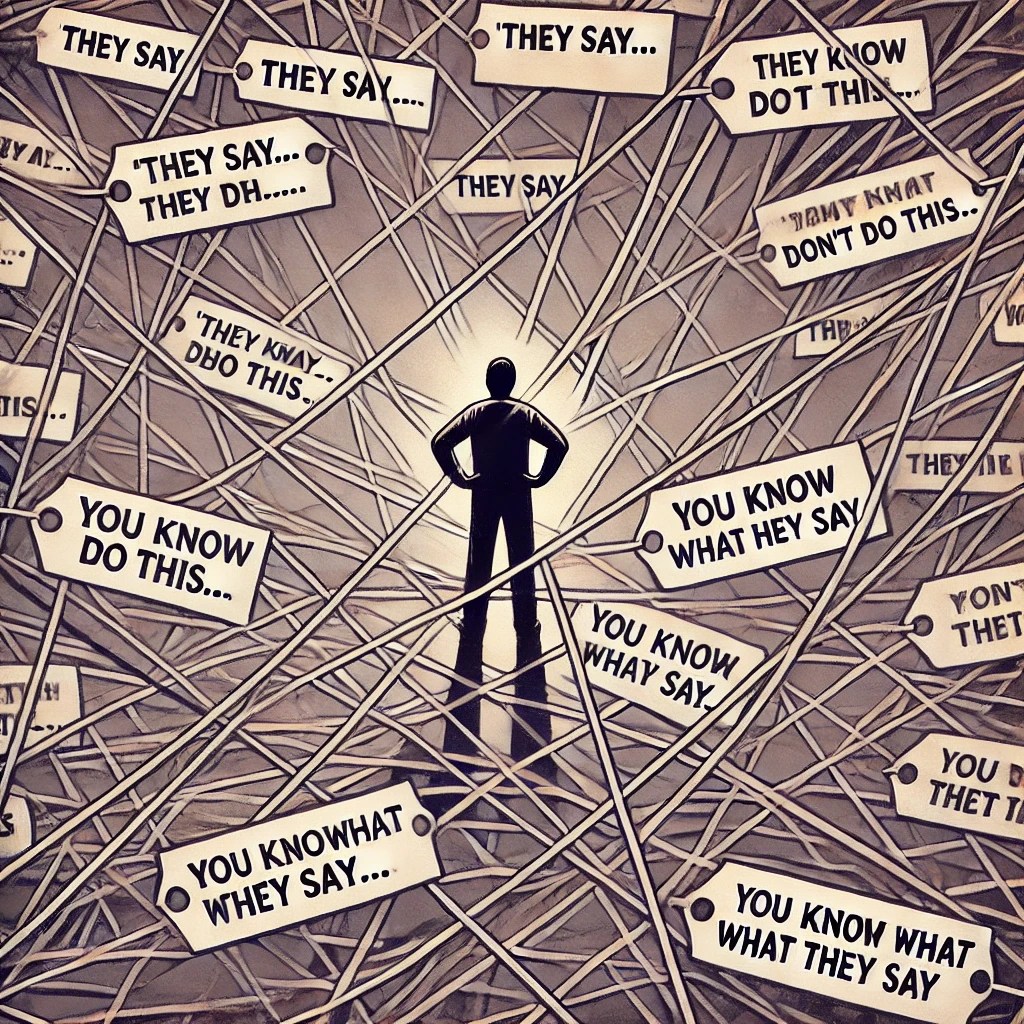
This is how many of us get trapped in cycles of guilt, especially when it comes to parenting and family dynamics. We inherit unresolved trauma from our upbringing, while simultaneously absorbing modern parenting narratives that tell us how to raise our children. This often leads to a constant state of trying to protect our kids from perceived dangers. “Don’t do this, don’t eat that, be careful, don’t rush them”—we’ve all heard it. But how often do we pause and question whether these beliefs are truly ours, or whether we’re just borrowing them from others because “it is said”?
Take, for example, a scenario that’s increasingly popular on social media. In one Instagram reel, a grandparent enthusiastically invites her grandchild to play, and the child is excited to go. However, the child’s parent intervenes, saying, “We don’t rush our kids—it causes anxiety.” The grandparent, who is simply thrilled to spend time with her grandchild, is left confused, wondering why her excitement to play is suddenly a problem. Meanwhile, the parent—heavily influenced by modern parenting advice they’ve absorbed from online sources—steps in to “protect” the child from a potential source of stress. In this well-meaning intervention, however, the parent unintentionally disrupts a natural and joyful connection between grandparent and child.
Borrowed Beliefs and Their Impact
This scenario illustrates a struggle that’s increasingly common in today’s world. We’re constantly bombarded with advice from countless sources—be it friends, family, or influencers on social media—telling us how we should live, eat, parent, or even think. We often accept these beliefs as the truth without stopping to evaluate if they align with our values or personal experiences. This can lead to feelings of guilt and conflict, as we try to live up to expectations that aren’t truly ours.
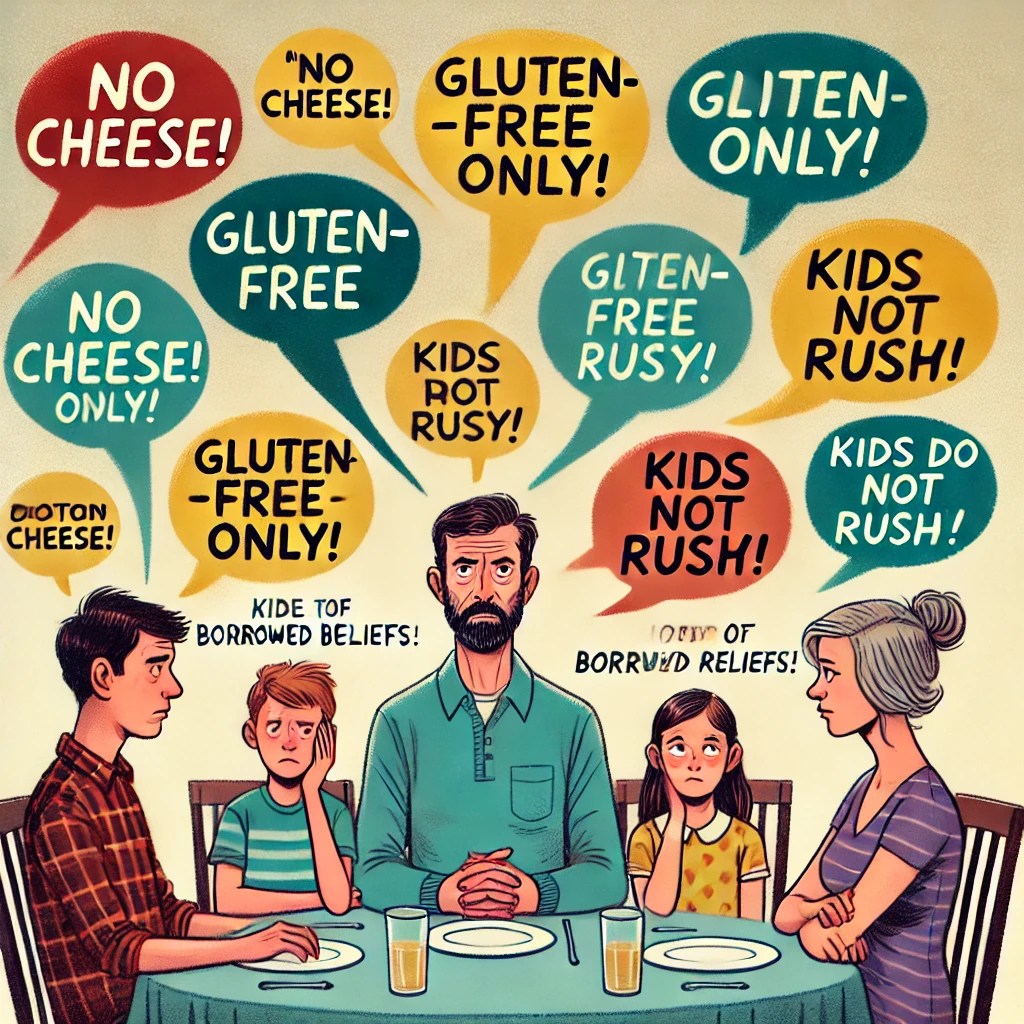
Consider the example of food trends. One day, social media is filled with posts about cutting out gluten; the next day, it’s dairy. People often say, “You know what they say—don’t eat cheese, it’s bad for you.” Yet, many of these statements are made without real context, understanding, or even personal research. We adopt these habits because they’re popular, not necessarily because they’re the best for our bodies or lifestyles. The same goes for parenting trends. One day, we hear that we should let kids explore the world freely; the next, we’re told to be extra cautious about their emotional well-being, fearing that any small mistake could cause lasting damage.
These borrowed beliefs create confusion, and more importantly, guilt. We’re stuck between trying to be good parents, partners, or individuals while following rules that may not apply to us at all. The guilt doesn’t stem from our actions but from the struggle to conform to external expectations, leaving us feeling like we’re never doing enough, or worse, doing something wrong.
When Guilt Becomes a Personal Hell
Over time, these guilt traps can become a form of personal hell—an internal conflict that makes us feel stuck. We constantly battle between what we think we should do and what we believe we must avoid, based on these borrowed narratives. This mental tug-of-war creates a space where we feel neither at peace nor in control, leading to stress, anxiety, and a sense of failure.

This personal hell is fueled by the fear of disappointing others—whether it’s our parents, society, or even the online community we follow. The more we try to live up to these external expectations, the more we lose touch with our own values and instincts. We become prisoners of our guilt, always afraid that our actions will cause harm, offend someone, or lead to negative consequences for those we love.
In essence, this guilt creates a vicious cycle. The more we feed into these borrowed beliefs, the deeper we sink into our personal hell, feeling trapped by the weight of decisions that aren’t truly ours. We carry the burden of guilt not because we’ve done something wrong, but because we’ve internalized other people’s fears and anxieties as our own.
Breaking Free from Borrowed Guilt
The key to breaking free from this guilt cycle is to start questioning the beliefs we’ve inherited or absorbed. Just because “it is said” doesn’t mean it’s true for us. It’s important to reflect on whether the advice or trends we follow align with our personal needs, values, and reality.
One practical way to do this is by pausing before accepting any new belief or piece of advice. Ask yourself: Does this make sense for me and my family? Is this something I truly believe in, or am I just following the crowd? By taking a moment to reflect, we can avoid automatically adopting external beliefs that may not serve us.
Additionally, it’s helpful to reframe the way we view advice. Instead of seeing it as an absolute truth, we can treat it as one perspective among many. Not everything we hear is meant for us, and that’s okay. By giving ourselves permission to reject certain ideas, we can build our own path, free from the weight of borrowed expectations.

Finally, we can strengthen our confidence in our own judgment. When we trust ourselves to make decisions based on our unique circumstances, we no longer feel the need to constantly compare ourselves to others or follow trends blindly. This leads to a sense of freedom and authenticity, where guilt has no place.
Conclusion
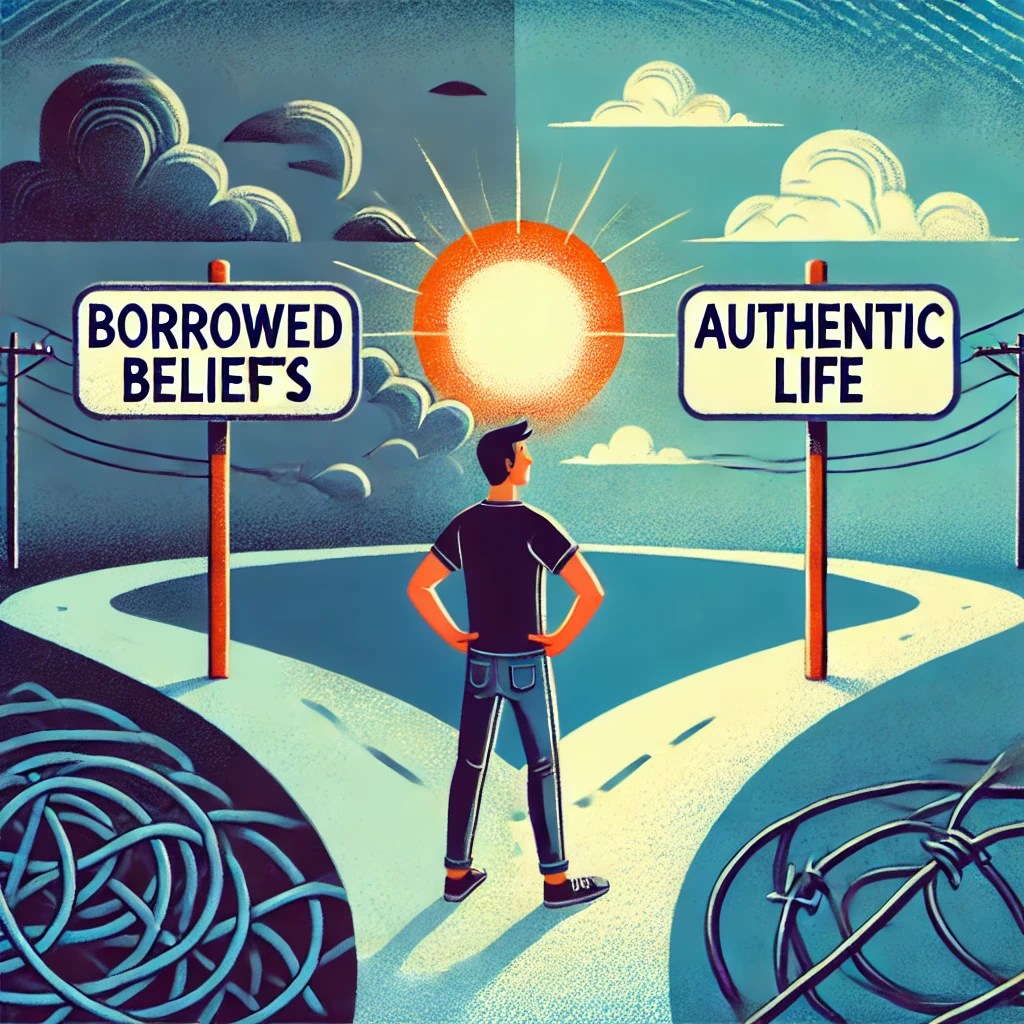
The guilt trap is often created by stories we’ve borrowed from others—whether it’s from family traditions, social expectations, or the latest social media trends. Recognizing that not everything we hear applies to us can free us from this unnecessary burden. Instead of following what “they” say, we can choose what truly resonates with us, allowing us to create a more authentic, fulfilling, and guilt-free life.
 Siddarth Shukla
Leave a comment