See it Through the Lens of Eating Habits
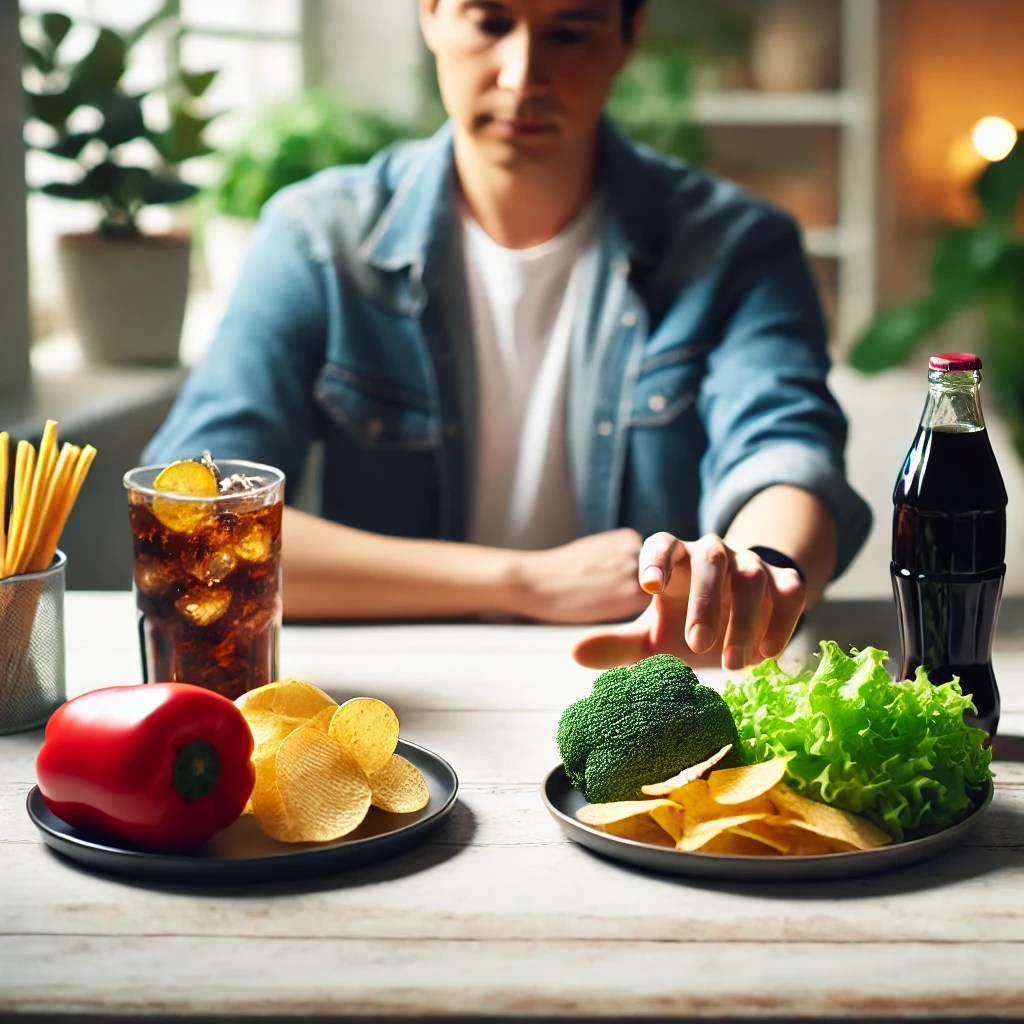
We’ve all heard advice like “eat mindfully,” “focus on nourishment,” and “listen to your body.” It’s not new. We know what’s good for us. But there’s a huge gap between knowing and doing. That gap is what this blog is about. We’ll use eating habits as the lens to explore why it’s so hard to align our actions with our understanding.
I know I should be eating foods that fuel my body, keep me energetic, and leave me feeling satisfied without being overstuffed. Yet, in moments of stress, boredom, or social pressure, it’s so easy to reach for that bag of chips or go out for comfort food. Knowing isn’t the problem—doing is. This disconnect is the core challenge we face, especially when it comes to our daily eating habits.
Why Knowing Isn’t Enough
It’s one thing to know what’s good for your health, but it’s a completely different thing to consistently make choices that align with that knowledge. Why? Because food, like many aspects of life, is tied deeply to our emotions, habits, and social interactions. We eat not just to satisfy hunger but to cope with stress, find pleasure, or even fit in socially. And this is where the gap between knowing and doing widens.
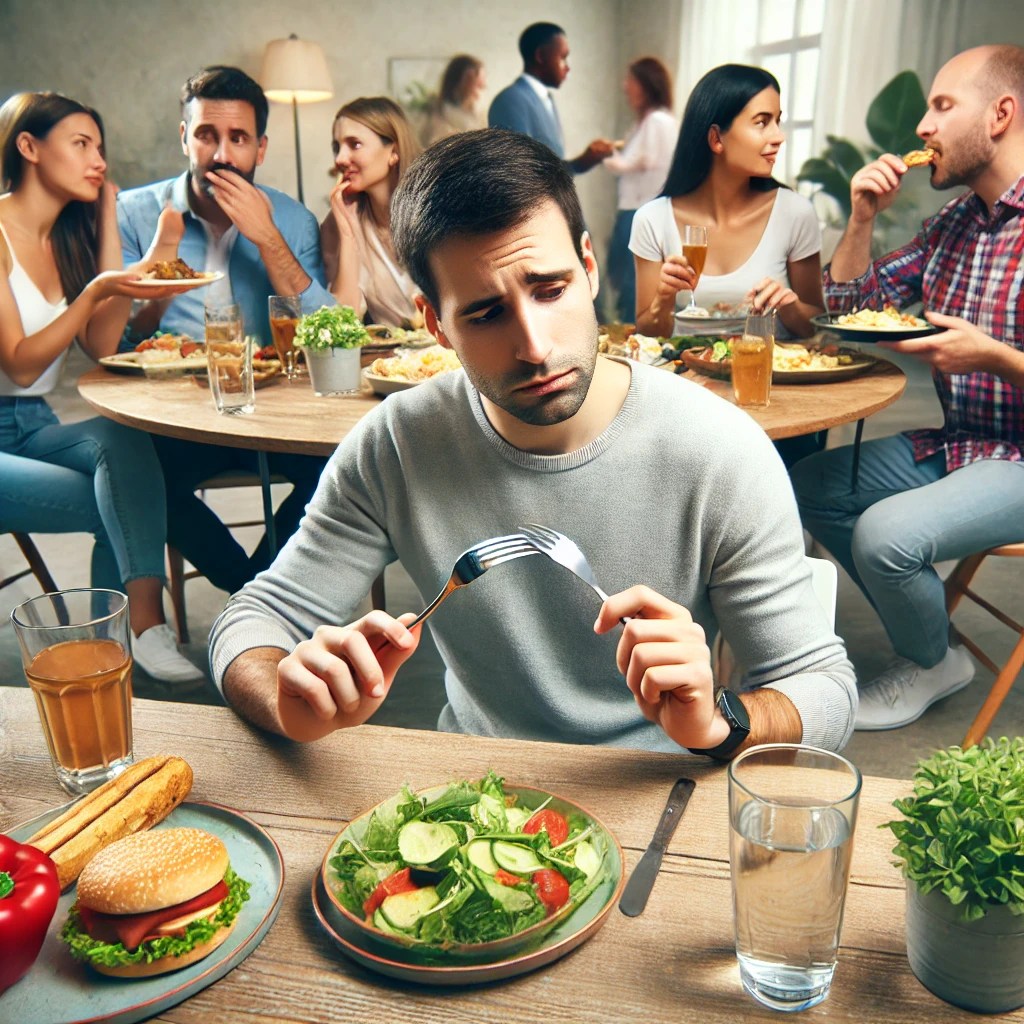
There’s a simple truth: knowledge doesn’t automatically lead to action. Understanding that leafy greens, whole grains, and balanced meals are good for you doesn’t stop the cravings for sugar, salt, and fat when you’re having a rough day. Our minds and bodies are wired to seek comfort in familiar, pleasurable experiences, even when they don’t serve our long-term health.
The Cycle of Pain and Pleasure: Why We Stray from What We Know
At the core of this struggle is the cycle of pain and pleasure, which plays out in our daily food choices. Stress, boredom, and emotional discomfort create pain, and our natural tendency is to seek out something that provides quick relief—like a sugary snack or comfort food. In that moment, the immediate pleasure we get from eating far outweighs the long-term benefits of choosing something more nourishing.
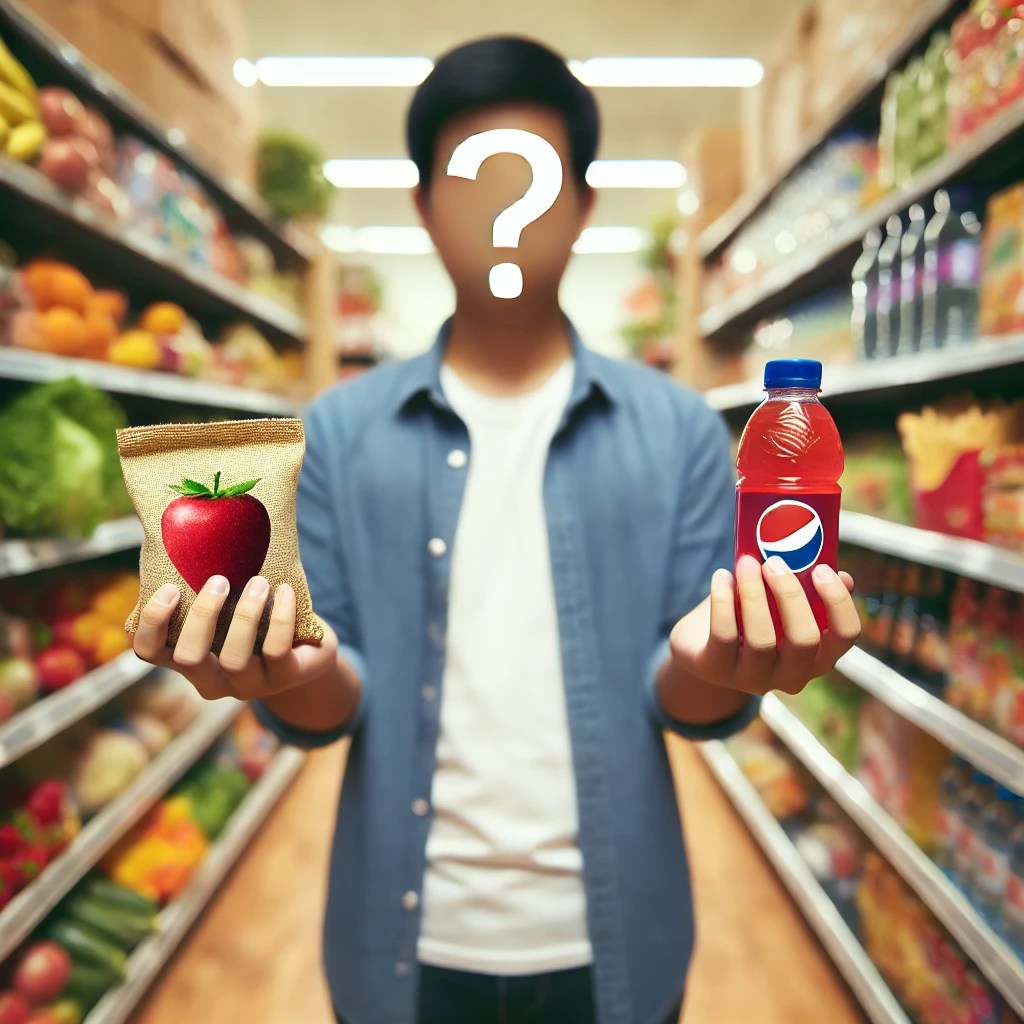
The pleasure from indulging in food is fleeting, and as soon as it fades, the original pain resurfaces. Often, we then feel guilty for giving in, which creates more discomfort. And so, the cycle continues. This isn’t unique to food—this pattern plays out in various areas of life. But food is one of the most accessible and immediate ways we attempt to alleviate discomfort.
Mimesis: Imitating Others’ Eating Habits
Another factor contributing to the gap between knowing and doing is our innate tendency toward mimesis, or imitation. We often mimic the behaviors of those around us, especially in social situations. Think about it—if you’re out with friends and everyone orders dessert, it becomes much harder to stick to your decision not to indulge. You don’t want to feel left out, so you follow along, even though you know it’s not what you wanted.

We’re wired to imitate others, especially when it comes to food and social interactions. This imitation can pull us into habits that don’t align with our health goals, making it even more difficult to act on what we know is best for us. And since food is a central part of most social gatherings, it’s easy to get swept up in the cycle of indulgence.
The Social Trap of the Senses
When food becomes a social experience, saying “no” to indulgence feels like saying “no” to connection. We don’t just eat because we’re hungry; we eat to bond with others, celebrate, or simply enjoy life. This can make it tough to resist temptation, especially when everyone else is indulging.
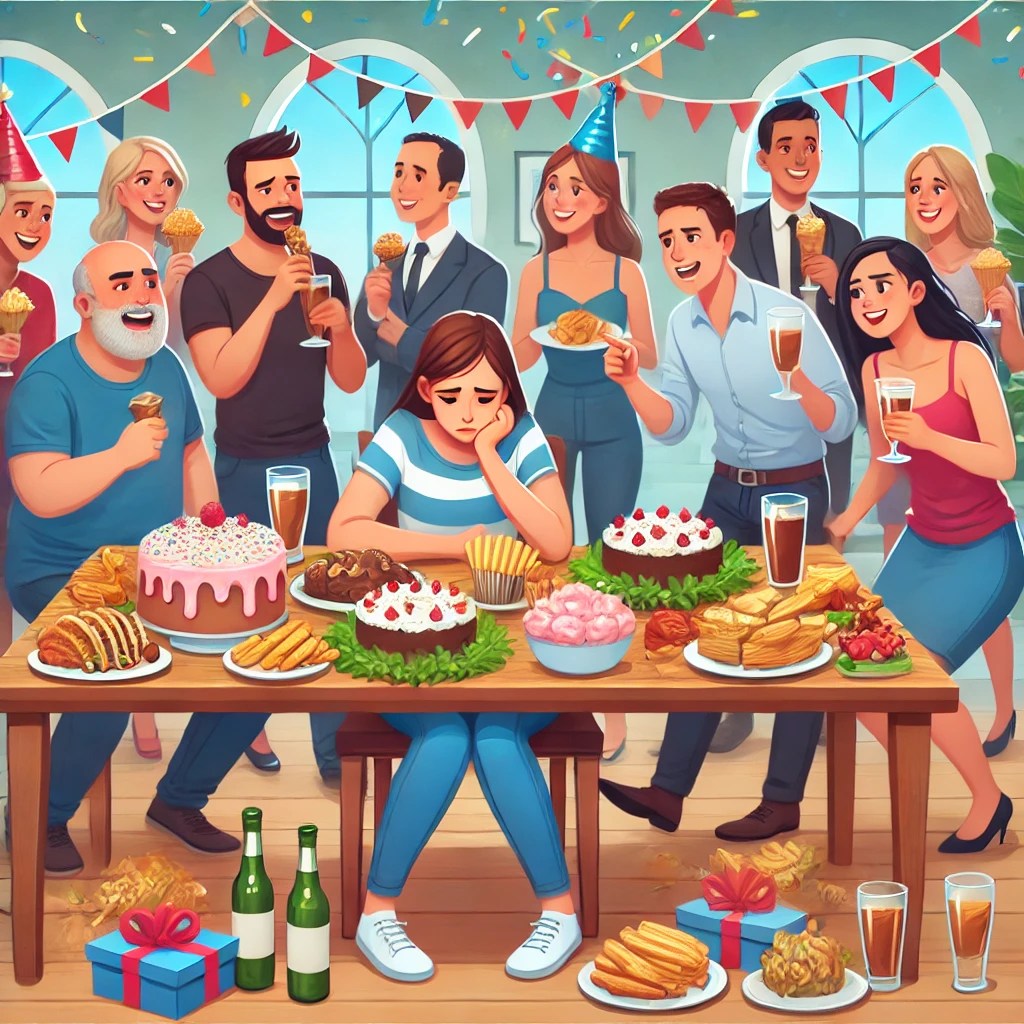
Social pressure can reinforce unhealthy eating habits. If you’re constantly surrounded by people who are caught in the same pleasure-pain cycle, breaking free becomes even harder. Even when you know better, it’s hard to resist joining in, because saying no can feel isolating. The key here is learning to strike a balance between enjoying food socially and making choices that are aligned with your health goals.
The Struggle Between Knowing and Doing in My Own Life
I’ve experienced this struggle personally. I know what foods nourish my body, but in moments of stress or boredom, I still find myself reaching for unhealthy options. The knowing part is easy—I understand what’s good for me. But when it comes to doing, I often fall short. I’ll tell myself, “I’ll start fresh tomorrow,” and in the meantime, indulge in what feels good at the moment. This cycle of knowing but not doing has been a constant battle.
Even when I try to be more mindful, it’s not always easy. It takes effort to slow down, ask myself what my body needs, and make the right decision. Most of the time, I give in to cravings because they’re easier, more familiar, and offer a quick hit of pleasure. But afterward, I’m left feeling bloated, guilty, and disconnected from what I know is best for me.
The Effort to Break the Cycle
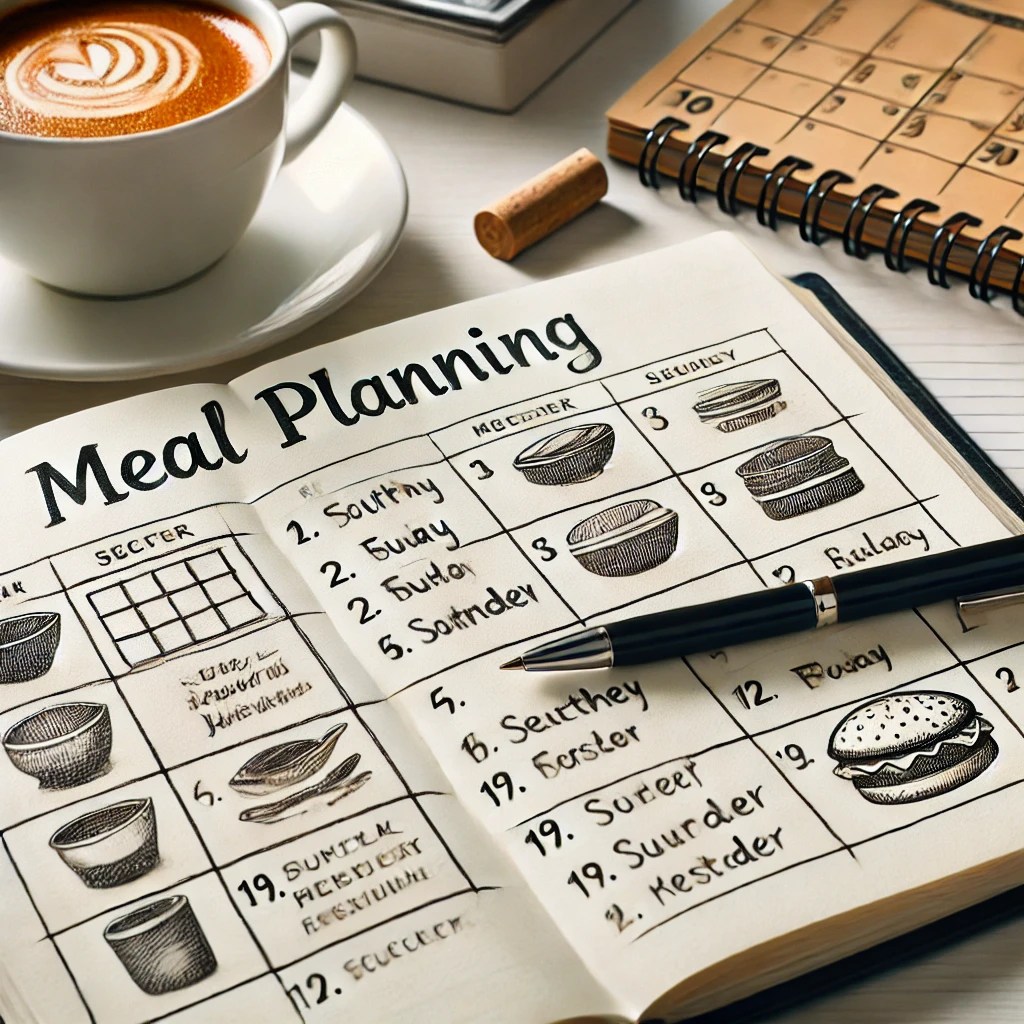
Breaking the cycle of pleasure-seeking through food requires discipline, awareness, and preparation. It’s not enough to just know what’s good for you—you have to create an environment that supports better choices. For me, that means meal prepping, planning my grocery trips, and paying attention to how certain foods make me feel. When I do this, I’m more likely to make decisions that align with my health goals.
I’ve also had to practice saying no in social situations, which isn’t easy. When everyone around you is indulging, it’s tough to stick to your own intentions. But by staying grounded in what I know is best for my body, I’ve found that I can enjoy social events without compromising my health goals.
Bridging the Gap: Introspection and Experimentation
The key to closing the gap between knowing and doing is introspection and experimentation. You have to understand your body’s signals, recognize what foods give you energy, and which ones drain you. It’s a trial-and-error process, but it’s essential to figuring out what works for you. Once you start paying attention to how food affects your body, it becomes easier to make choices that align with your knowledge.

This process also involves experimenting with your environment and habits. Meal prepping, mindful eating, and being prepared for social events where food is involved are all practical ways to bridge the gap between knowing and doing. It’s about creating a structure that makes it easier to make the right decisions.
Conclusion: Closing the Gap Between Knowing and Doing
The difference between knowing and doing can feel like a vast chasm, especially when it comes to eating habits. We know what’s good for us, but putting that knowledge into practice takes effort, discipline, and self-awareness. The key is understanding that it’s not enough to simply have the knowledge—you have to actively work to align your actions with it.
By being mindful of the pain-pleasure cycle, recognizing the power of social influence, and taking practical steps to prepare and plan, we can start to close the gap between knowing and doing. It’s not a perfect process, and we’ll all slip up from time to time, but each small step toward consistency brings us closer to true balance.

 Siddarth Shukla
Leave a comment